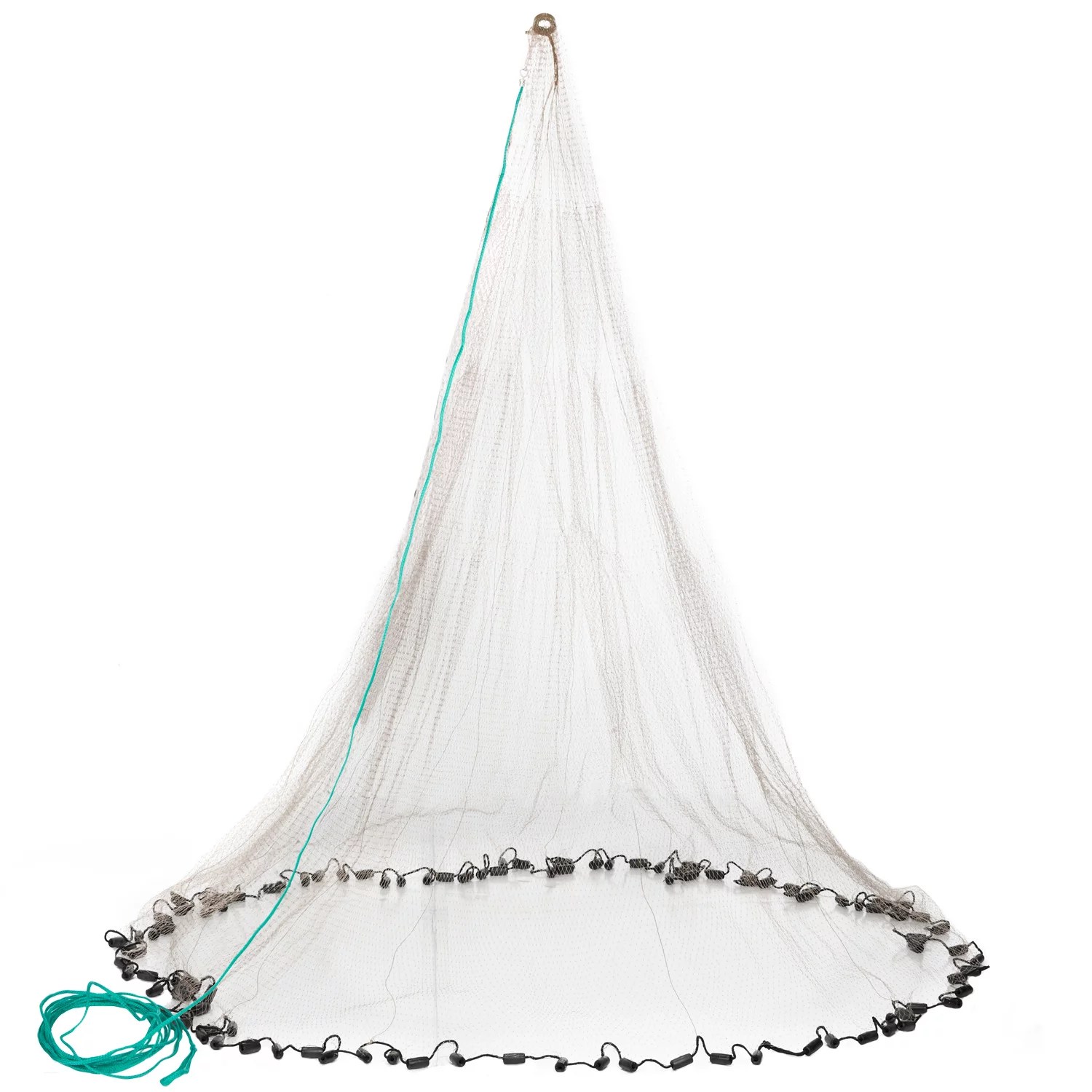
Betts Old Salt 8' Cast Net. This betts old salt mesh cast net has been designed over the years to become the workhorse in the industry. New world class net series.
Betts® Old Salt 8' Cast Net Academy from www.academy.com Observing a Betta
Betta is also referred for its role as the Siamese fishing fish that fights. The species is indigenous to Southeast Asia, including Cambodia, Laos, Myanmar, Thailand, and Vietnam. It is a tropical fish and prefers a freshwater aquarium with a high-quality gravel substrate. It is known for its vibrant colors . It's an excellent pet for those who are new to the hobby.
Watching a betta
Be watching a betta can help to comprehend the reasons behind its behavior. Bettas are naturally curious about the world that surrounds them. Any sudden change could attract their attention. Fish also have a habit of watching. They are prone to stare at any action that could be related to prey or food.
It is possible to observe the betta by placing it within a aquarium with another betta. Make sure you keep both lighting and temperature similar. If you are able, monitor the fish for 30-60 minutes every day. Music that is classical can assist. When watching a betta it's crucial to watch for indicators that the fish is happy and healthy.
A healthy betta will swim all around on a daily day basis, interfacing with its environment. It may be a lazy swimmer, or it may move swiftly from one side to the other. On the other hand an unhealthy betta might stay at the bottom of the tank and show no signs of happiness.
A betta's behavior can be determined by the level of stress that it encounters. If the fish senses threat, it may react in a violent manner. This is their method to dispel the threat. They can flare at other species or at their reflection. Although this is stressful for your betta's health, small instances inflamedness can be controlled.
Watching a wild betta
Becoming a betta observer can be a thrilling experience. These fish are extremely curious and will explore their environment. While they're relatively simple to take care of however, you could be amazed by some of their unusual behaviors. Here are some of the warning signs to look for when you see one in its natural environment:
Bettas are predators. They are frequently prey for other creatures, which makes them exceptionally attentive to all movements within their vicinity. That means they're extremely alert, but may be unable to move while watching. While you're watching the fishing, keep an eye out for any aggression which you spot.
If you're looking to observe the wild betta, you'll need to comprehend their habitat. Bettas live in heavily structured ecosystems, so they do not require a lot of space. They usually spend their time hiding beneath vegetation. The fins of their fins are small, so they're difficult to be spotted. Additionally, their muddy brown color makes them difficult to discern.
Another symptom that is common among aging Bettas is their lethargy. Bettas in their early years should be active, however if they look tired, they could be showing signs of illness. In addition, they may not be as enthusiastic about eating as much as they were previously. There is also that they are less animated in their dances.
Being a spectator of a captive beta
Inquiring about a captive betta can be an ideal way of teaching students about the biology and ecology of betta fish. Bettas are tropical fish that prefer the water temperature of 72 to the temperature of 82 degrees. They are in trouble with cold water since it makes them feel sluggish and weakens their immune system. Constant water changes also stress them out. Their name comes to their Malay"betah," which means "betah," which means "fighter," referring to their resilience even in the most difficult water.
You can observe a beta's behavior from an aquarium for a better understanding of what makes it to swim better or behave one manner. It can also be examined the reactions it has to various environment-related stimuli like climate changes or rocks. You could also ask your students to conduct experiments of their own. They could make predictions on how fish behave in each situation.
Another great way to learn about bettas can be to observe their eating habits. Bettas prefer floating pellets over fish flakes. They also have to swim close to the surface in order with their labyrinths replenished, and they don't enjoy tanks with a deep bottom.
Bettas can be found in a small aquarium, but there are specific things to remember when caring for one. Bettas are very susceptible to many common freshwater fish diseases. These include ich, or White Spot Disease, caused by the Ichthyophthirius multifiliis parasite. This parasite can be found in numerous freshwater fish tanks. When this parasite affects a fish, it causes white spots on its body which could be noticeable. The fish might also tighten the fins of its body or remain limply on the top of the water.
Feeding a better
Bettas require access to the surface of the water in order to breathe. A labyrinthic organ on the body of a Betta allows it to draw oxygen from air. This means that you don't require to purchase an air-pump for keeping your betta content and healthy. Also, they need plenty of space to rest and swim. The bigger the tank the better.
Bettas can consume as much as three pellets per time they are hungry, so you'll want take care to prepare enough food items. It is also essential to make sure that dry food items are soaked prior to. Making sure you feed your betta in the correct amount is essential to its health and overall well-being.
If you feed your betta too much, it can cause digestive problems. If your betta is fed too much, they'll get constipated, which can lead to many health issues. Your betta might also appear exhausted and spend most of the day in a sleepy state. This could mean that your betta suffers from SBD or is eating too much.
When choosing the kind of food you give your beta be sure you pick a food item that is high in nutrients and is free or harmful bacteria. Brine shrimp and bloodworms are common in ponds or pools and are a wonderful supplement to the diet of your betta.
Observing a betta in captivity
Watching a betta swim around in its tank is an exciting experience. You will be able to understand it's behavior and learn how it responds when exposed to types of stimuli. You can also draw pictures of a beta and discuss its characteristics, colors, and measurements. You can even compare male and female betta and see how they feed. You can also see how different types of food can affect the behavior of bettas.
Bettas aren't found in large pools, but are more at home in small, enclosed areas. Their habitat is a shallow body of water that is abundant in vegetation. They spend the majority days in the greenery. It means they are in constant contact with detritus and leaves.
Bettas are indigenous to shallow, watery habitats located in Southeast Asia. This means they are used to living in tiny quantities of low oxygen water. Bettas have evolved to survive in these conditions through the development of an organ that is called Labyrinth that allows them to breathe direct from the air. Their diet is comprised of insects and their larvae.
Bettas can be peaceful, but they can sometimes fight with other fish. If you do not want to disturb your male betta's peaceful life then it's best to place him or her in separate tanks. A male Betta can be a threat to another male if they are near.
The betta is observed in the wild
Observing a betta in its natural habitat is a wonderful method to see how it conducts itself in the wild. Bettas are territorial animals. They will fight to establish their territory. Whether male or female, Bettas often ram or toss other fish. They may also eat the fins of another fish. For their own safety, bettas need a comfortable hiding place. A cave in the water or a densely plant-filled corner is a excellent spot for them.
You can be observant of the behavior of abetta to discover how content or stressed it is. If it's feeling stressed, it might spit or flake its fins, or react in any other way to the presence of you. If the fish is unhappy ou, it might even turn aggressive.
The betta is a decorative fish that is loved by people all over the world. The large fins on it will draw the attention of people. The predatory nature of fish is why they are well-known as "fighting fish." Watching their behavior can help you assess their overall health and the state of mind of a particular fish, when fed.
The most important thing to keep in mind while observing a Betta in the wild is to watch the species carefully. Bettas come in various colors they are found in, with the most popular being black, yellow, blue, clear, and albino. The male betta is usually brighter than the female. They have fins that vary in the length of their fins, and males usually have bigger fins than females. They may also have distinct tails that could become rotten.
This betts old salt mesh cast net has been designed over the years to become the workhorse in the industry. I purchased this net from tackledirect and had it shipped to australia. By betts® far exceeds the entry level net of all net makers.
This 8 Foot Premium Casting Net Features A 3/8 Mesh For Catching Bait Sizes From 2.
Betts old salt cast net no net spreads better, 3/8 inch mesh several sizes to choose from. Last updated on 13 oct, 2022 09:50:56 aedst view all revisions. Each net is made with a professional plastic horn.
New World Class Net Series.
It offers all the things looked for in a net. Betts 8' old salt cast net This betts old salt mesh cast net has been designed over the years to become the workhorse in the industry.
$76.49 (On 6/11/2013) Code :
Betts old salt 8' cast net 1/2 mesh casting net model 8sm | sporting goods, fishing, fishing equipment | ebay! This net will equal other’s pro series in quality. Morada cast net promo how to throw a morada cast net.
Find Many Great New & Used Options And Get The Best Deals For Betts Old Salt Cast Net 5Ft Mono 0.375In Mesh Box At The Best Online Prices At Ebay!
Hi clarence, correct the betts old salt bait casting nets use lead weights. Betts old salt cast net is designed as a no spook net that is almost invisible in and out of. Betts 8pm 8ft old salt cast net 8lb 3/8 mesh lead weights.
Betts 9Pm Old Salt 3/8 Inch Cast Net Customer Review May 27, 2018.
* special price only for limited t. Total weight better than 3/4 lb. The betts old salt cast nets have been designed over the years to become the workhorse in the industry.
Post a Comment for "Betts Old Salt 8' Cast Net"