Betta Fish Popeye Treatment. Here are the steps you should take: If you suspect that your fish sustained an injury that caused popeye on only one side of its head, administer an epsom salt bath.
Popeye In Betta Fish (Causes, Treatment, Prevention) Betta Care Fish from www.bettacarefishguide.com Observing a Betta
Betta is also known is also known as Siamese fighting fish. It's native to Southeast Asia, including Cambodia, Laos, Myanmar, Thailand, and Vietnam. It is an aquatic species that thrives in a freshwater aquarium with a high-quality gravel substrate. It is well-known for its stunning colors, and is an excellent pet for those who are new to the hobby.
In the process of watching a betta
Being able to observe a betta's behavior will help you understand its behaviour. Bettas are naturally curious about the world around them. Any change that is sudden will draw their attention. They also have a habit of staring. They'll look at any action that could be related to an animal or food source.
It is possible to observe the betta's behavior by placing it in a tank with another betta. Be sure to keep the temperature and lighting level similar. If you are able, be with the fish for 30-60 minutes every day. It is also possible to play classical music to assist. If you're watching a betta it's important to look for behaviour patterns that show that they are content and healthy.
A healthy betta can swim in the tanks on a daily on a regular basis, making contact with the surrounding. It could be a slow swimmer, or it may move swiftly from one side of the tank to the other. However the betta who is sick may remain at the bottom the tank, and not show sign of joy.
A betta's behavior is influenced by the level of stress it feels. When the fish senses a threat, they might react in a violent manner. This is their method to remove the threat. The betta may even flail at other creatures , or even their reflection. Although this may be stressful for your betta's betta's, even small instances that flare up can be controlled.
Observing a wild betta
Being able to observe a wild betta can be an amazing experience. These fish are extremely curious and like to explore their environment. Although they are simple to take care of they can be a bit frightened by some of their odd behaviors. Here are a few signs you may notice on the spot if you're in its natural environment:
Bettas are predators and are frequently prey for other creatures, which makes them keenly aware of any movement around them. This means that they are very alert, yet they may be unable to move while watching. While you're watching the fish, look out for any aggression that you observe.
If you're keen to observe the wild betta, then it's important to know about their environment. Bettas reside in highly organized areas, so they don't require a lot of space. They usually spend them hiding in the vegetation. Their fins are small that makes them difficult to be spotted. In addition, their muddy brown hue makes them difficult to detect.
Another sign of old age for the bettas are their lethargy. Bettas who are young must be physically active. However, if they seem drained, they might be suffering from illness. Additionally, they might not be as interested in food like they used to. You should also notice a decrease in their wiggle dances.
A captive betta is observed
Inquiring about a captive betta can be one of the best ways to instruct students about the biology behind betta fish. Bettas are tropical fish , and they prefer water temperatures of 72 to 80 degrees Fahrenheit. They struggle with cold water since it makes the fish lathyrgic and weakens their immune system. Regular water changes can stress them out. Their name comes via their Malay phrase "betah," which means "fighter," referring to their resiliency in unhabitable water.
You can observe a beta's behavior when in an aquarium to learn what makes it to swim better or behave the same way. It is also possible to examine the responses of bettas to external stimuli, including rock formations or changes in temperature. Additionally, you can request learners to complete their own experiments. They can predict how the fish will behave in every situation.
Another excellent way to gain knowledge about bettas would be to observe their eating habits. Bettas prefer floating pellets over fish flakes. They are also required to come close to the surface in order to replenish their labyrinth, as they don't like an aquarium that has a sunk bottom.
Bettas are generally housed within an aquarium that is small, however there are some rules to remember when caring for one. Bettas are very vulnerable to a variety of common freshwater fish diseases. These include ich, or White Spot Disease, caused by the Ichthyophthirius multifiliis parasite. This parasite is present in a number of freshwater aquariums for fish. If this parasite is found in an aquatic species, it may cause white spots on its body which can be seen. A fish may also clamp its fins or float on the surface of water.
Feeding a better
Bettas need access to the surface of the water to breathe. A labyrinth in the body of the betta is able for it to get oxygen from the air. This means that you don't require to purchase an air pump to keep your betta healthy and healthy. Also, they need plenty of space to rest and swim. The bigger the tank, the more space it will have.
Bettas can consume up to 3 pellets per meal. take a meal, so it's important be sure to cook enough food items. It is also essential to take the time to soak dry food items prior. In feeding your beta the appropriate amount is vital to its health and well-being.
If you feed your betta too much, it can cause digestive problems. If your betta's diet is too often, they'll develop constipation and could cause numerous health issues. Additionally, your betta may seem in a state of euphoria and will spend the majority the day in a semi-sleepy state. This may indicate that your betta may be suffering from SBD or is consuming too much.
In selecting the food that you offer your beloved betta be sure you choose a food source that is rich in nutrients and is free any harmful bacteria. Bloodworms and blood shrimp can be found in ponds and pools and are a wonderful ingredient to add to the diet of your betta.
Watching a betta in captivity
Watching a betta swim around in its tank is an exciting experience. You will be able to understand the behavior of the animal, and how it reacts to various factors. You can also sketch the image of a betta and discuss its characteristics, color, and measurements. Then, you can examine the differences between a male and female female betta. You can also observe the way they feed. Additionally, you'll see how different types foods affect the behavior and behavior of bettas.
Bettas are not found in large pools. They prefer small, enclosed areas. Their natural habitat is a small body of waters that is rich in vegetation. They spend most of their lives hid within the foliage. This means they're in constant contact with dirt and leaves.
Bettas are indigenous to watery habitats that are shallow of Southeast Asia. This means they are used to living in small volumes of water with low oxygen. Bettas have developed to live in these environments by developing an organ called the labyrinth. It enables them to breathe air by removing themselves from the water's surface. Their diet is based on insects and their larvae.
Bettas can be tranquil, but they may even fight with other fish. If you don't want to disrupt your male betta's peaceful existence the best option is to place him in a separate tank. A male Betta might attack another male that is in close proximity.
Observing a betta in the wild
Observing a betta in its natural habitat is a wonderful way to understand how it behaves in the wild. Bettas are territorial species. They will fight to secure their territory. If female or male, Bettas typically ram dive into other fish. They can also bite the fins that other fish. To stay safe Bettas require an enticing refuge. An aquatic cave or densely plant-filled corner is a ideal spot for them.
It is possible to observe the behavior of a Betta to learn how relaxed or stressed it is. If it's feeling stressed, it might spit or flake its fins, or in other ways react to your presence. If the fish seems unhappy in its state or is bored, then it might even turn aggressive.
The betta is a decorative fish that is very popular across the world. The large fins that it has will draw attention. The fishing species' natural aggression make them well-known as "fighting fish." Be aware of their behaviour to help you determine their general health as well as the psychological state of any fish you see fed.
The most important thing you should remember when observing a betta in the wild is watching the animal closely. Bettas come in a variety colors, with the most common being blue, yellow, black transparent, and albino. The male betta usually is brighter than the female. Their fins aren't the same length, and males usually have larger fins than females. They can also have distinct tails that are prone to rot.
If you suspect that your fish sustained an injury that caused popeye on only one side of its head, administer an epsom salt bath. Add your betta to the container and dose it with epsom salt. 5 main causes of popeye in bettas.
Septicemia Is A Bacterial Infection That Can Be Caused By Adding New Community Fish Without Quarantining Them, Or Feeding Infected Food.
Most typically, a simple bacterial infection is what causes popeye in a betta fish. Bettas may develop a bacterial infection introduced by new fish or invertebrates that have been added to the tank. Popeye in betta fish should be treated as soon as you notice it.
Determine If The Popeye Is Due To An Injury Or Infection.
In a separate tank, add 1. Kanaplex by seachem is a healthy option for bettas and contains kanamycin: Popeye in betta fish is a condition caused by a bacterial or viral infection.
Perhaps In The Healthiest Aquarium, Fish Can Be Injured Or Become Ill.
The antibacterial medication, melafix, is excellent for curing popeye in betta fish. However, once again, prevention is in fact the best way to ensure your betta fish never have to. The eyes become cloudy and look irritated with splotches or a ring around it.
If You Suspect That Your Fish Sustained An Injury That Caused Popeye On Only One Side Of Its Head, Administer An Epsom Salt Bath.
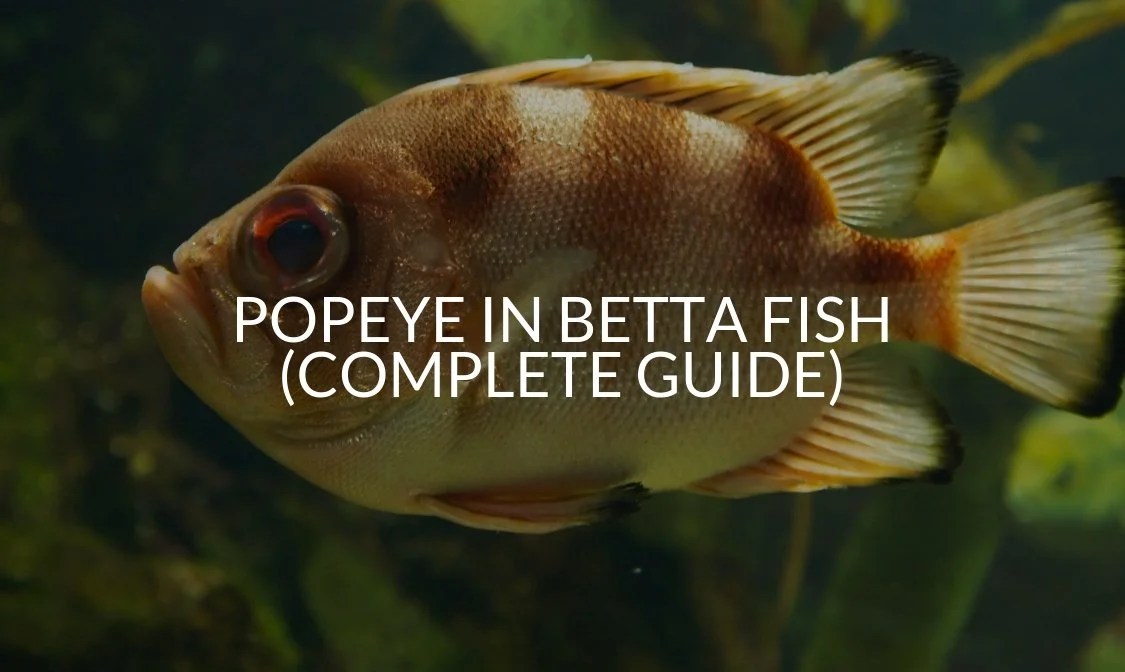
Popeye is an infection that causes the eyes of betta fish to bulge out (pop out) and makes them appear cloudy or white. A fish with popeye disease will develop a bulging eye, a cloudy eye, red eyes, or a white ring around its eye. The betta fish popeye disease is a disease that affects the fish causing the eyes to bulge and appear swollen.
Add Your Betta To The Container And Dose It With Epsom Salt.
Popeye is one of these ailments. Medicines include antibiotics or antifungals, depending on the type of infection. If the ammonia levels in your aquarium water stay high for too long, fish can also get ammonia.

Post a Comment for "Betta Fish Popeye Treatment"